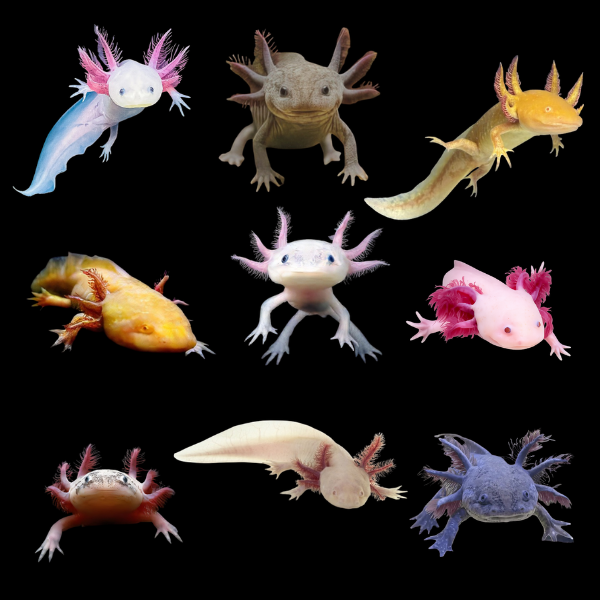
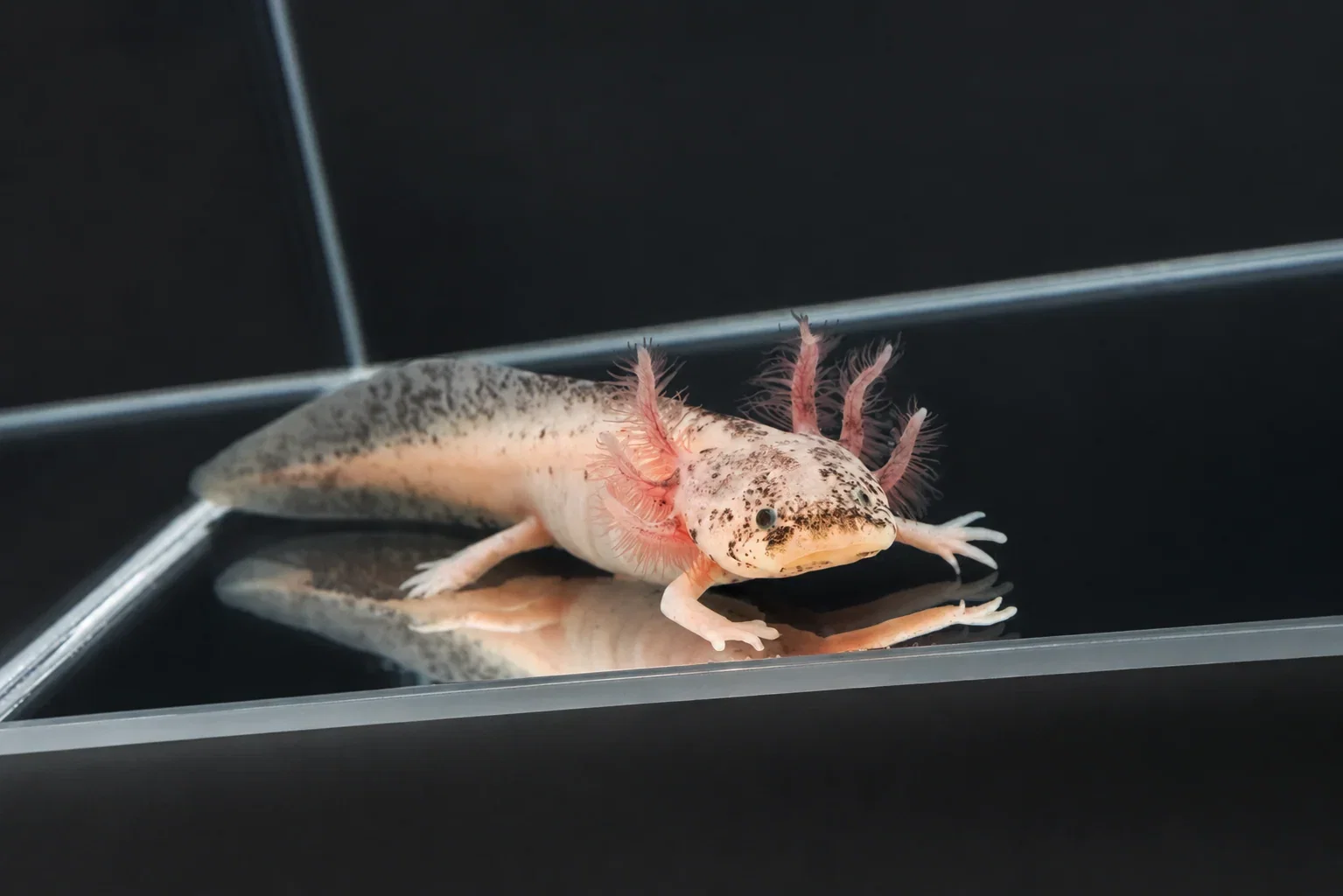
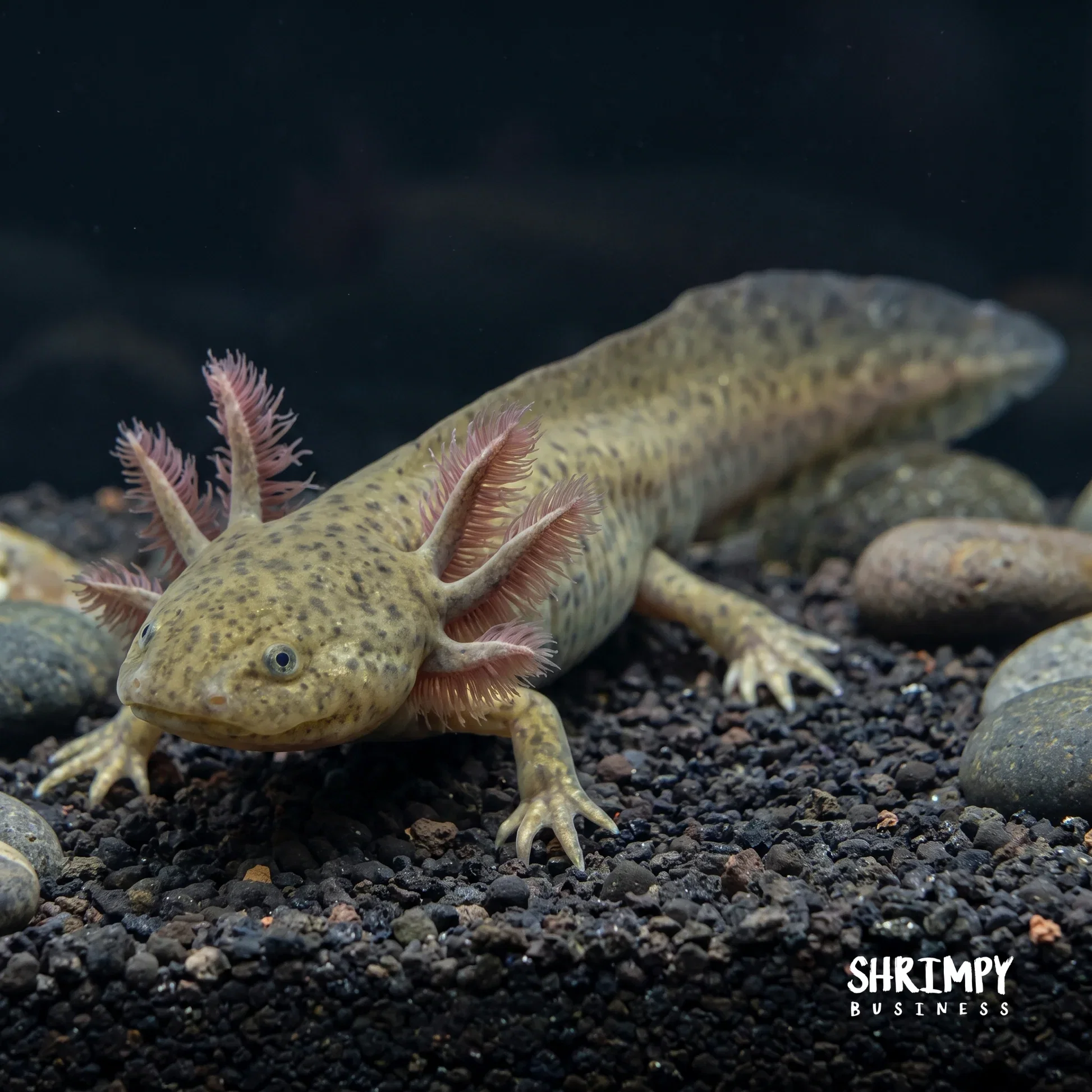
The axolotl (Ambystoma mexicanum), also known as the Mexican walking fish, is a critically endangered neotenic salamander famous for its unique appearance, permanent juvenile state, and extraordinary medical capabilities.
"Price Shown is an Adoption fee and not a selling price"
🧬 Biological "Superpowers"
• Neoteny (The "Peter Pan" Trait): Unlike other amphibians, axolotls do not undergo standard metamorphosis. They retain their larval features—such as their distinct, crown-like feathery external gills and fully aquatic lifestyle—all the way into adulthood.
• Extreme Regeneration: They are a major model organism in medical research because they can perfectly regrow lost limbs, tail sections, heart tissue, spinal cords, and even parts of their brain without any scarring.
🏞️ Native Habitat & Wild Status
• Location: In the wild, they are native exclusively to the high-altitude lake complex of Lake Xochimilco near Mexico City.
• Endangerment: They are heavily protected and listed as Critically Endangered. It is estimated that fewer than 1,000 individuals remain in the wild due to urban expansion, heavy water pollution, and invasive predators like tilapia and carp.
• Natural Appearance: While the bright pink and white "leucistic" color morphs are immensely popular in pop culture and pet markets, wild axolotls are naturally dark brown, grey, or black to blend in with muddy lake bottoms.
🐠 Captive Care Basics
While millions exist globally in captivity, they are sensitive creatures that require specialized care:
• Environment: A minimum 75 to 110-litre (20–30 gallon) tank per adult.
• Temperature: They must have cold water, consistently maintained between 15°C and 20°C (60°F–68°F).
• Diet: They use suction feeding to swallow food whole. Their diet consists of high-protein carnivore foods like earthworms, nightcrawlers, and bloodworms